Age 2, 3 and 4 | Learning in Preschool: Ages 2, 3, and 4 | City and Country School, New York
Alert
Info
Learning in Preschool: Ages 2, 3, and 4
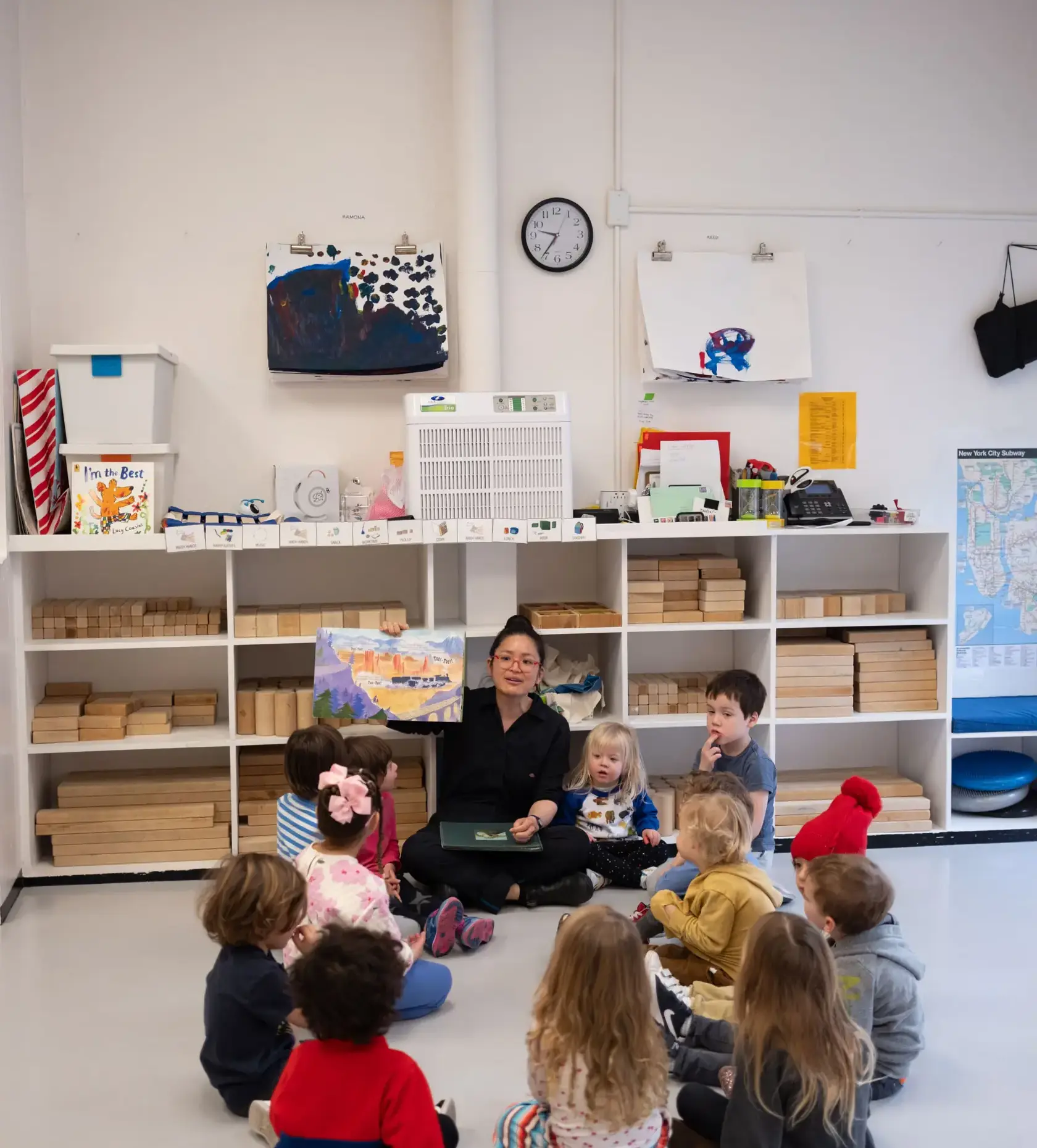
In the early years of the Lower School—spanning the IIs, IIIs, and IVs—City and Country’s approach honors each child’s natural curiosity, need for play, and emerging sense of self within a group. Learning is largely experiential and unfolds through open-ended exploration, sensory activities, storytelling, and block building, allowing children to make sense of the world around them. Teachers observe closely and thoughtfully guide this process, shaping curriculum that emerges from students’ interests and everyday experiences. The program emphasizes social-emotional development alongside foundational language and math skills, fostering independence, cooperation, and joyful discovery, setting the stage for healthy habits of mind and a dynamic appetite for learning.
Our youngest children explore the immediate world around them–their group, classroom, and school community–through hands-on activities, field trips, and group discussions. This builds an early sense of belonging, understanding, and connection to the people and places that shape their daily lives.
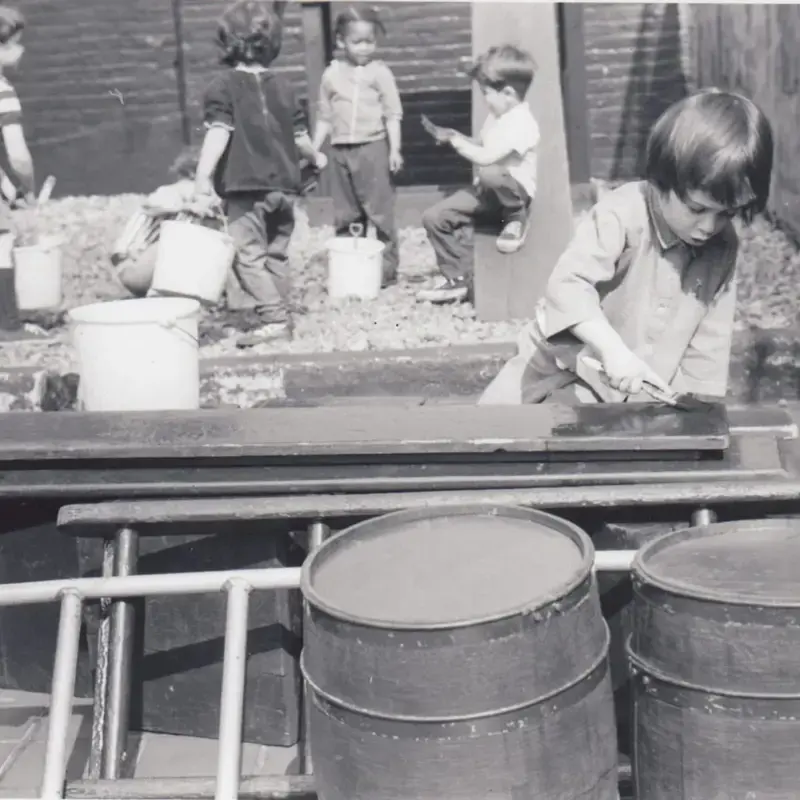
We harness children’s natural curiosity with ample time for exploration, questioning, and play. Our Early Childhood classrooms are stocked with a set of carefully chosen, basic, open-ended materials that inspire creative expression: paint, clay, water, wood, paper, and, of course, Pratt’s famous unit blocks. Capitalizing on children’s natural desire to play, these basic materials offer children the opportunity to express and experiment with what they know about the world. They emerge with a growing understanding of their experiences, including the relationships among members of a community and the responsibilities that people have to one another.
LOWER SCHOOL · IIs, IIIs & IVs
Explore the curriculum
Choose a subject to discover how learning comes to life.
Math
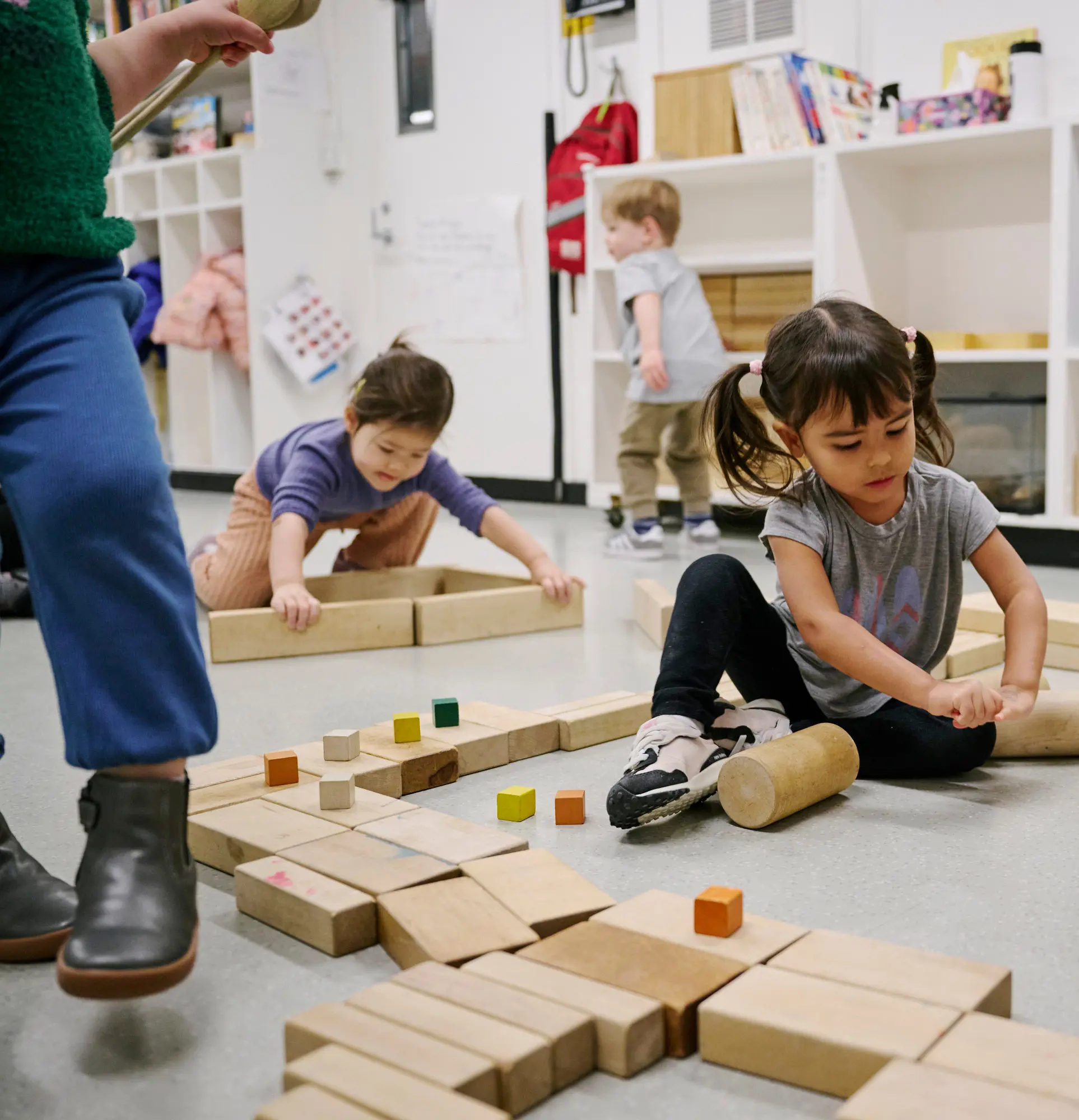
Early math concepts emerge through hands-on play and daily routines: counting during attendance-taking, sorting natural materials, estimating during pick-up, and exploring patterns. Daily work with unit blocks is especially impactful as repeated use fosters deep conceptual understanding of number sense, fractions, multiples, geometry, and much more. These concrete experiences lay the groundwork for number sense, spatial reasoning, and problem solving.
Literacy
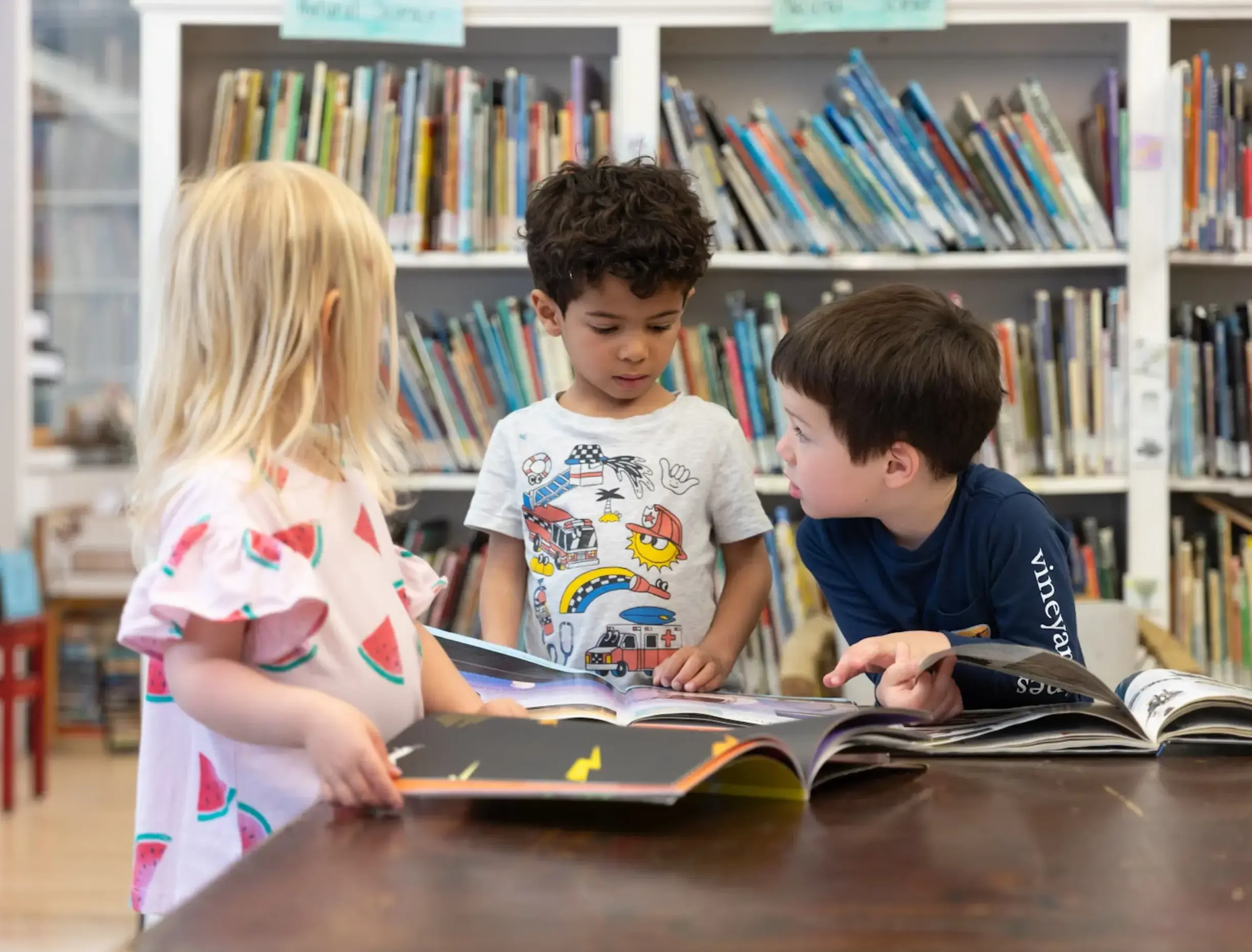
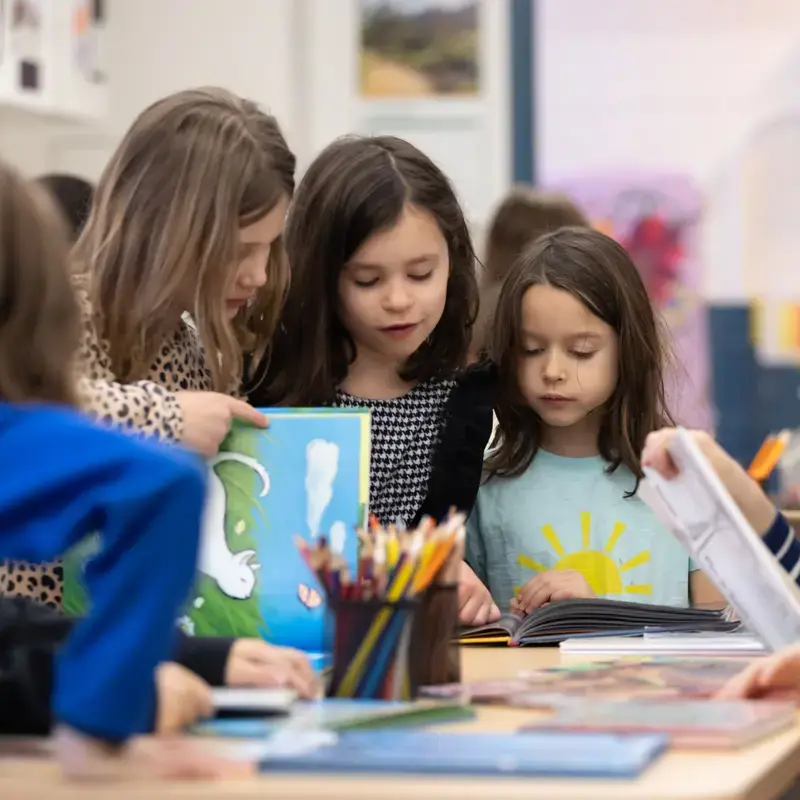
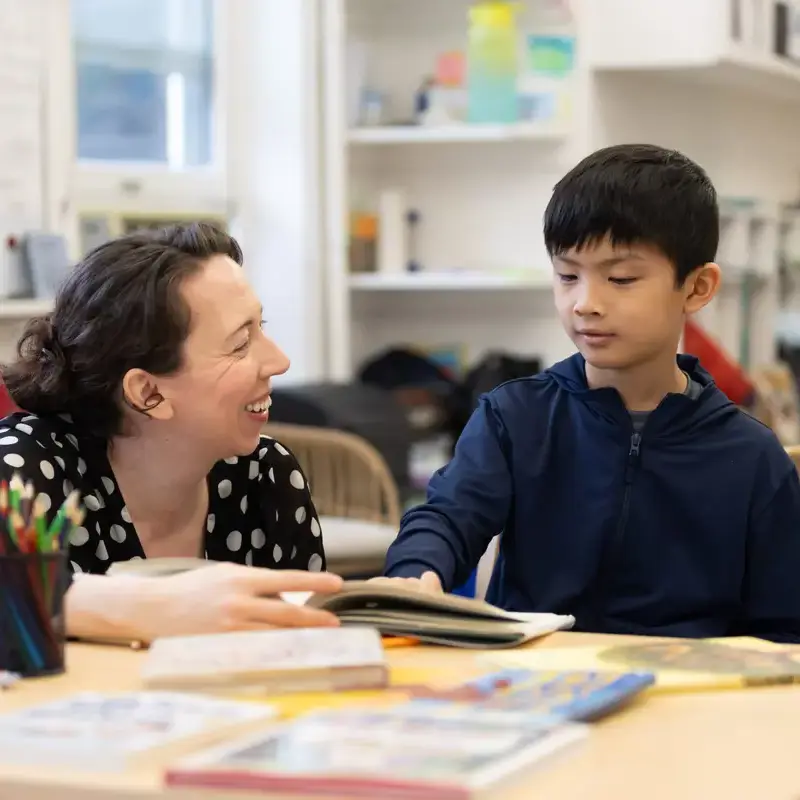
Language and literacy are developed through storytelling, read-alouds, songs, dramatic play, and environmental print. Children build vocabulary, narrative skills, and phonological awareness in authentic, playful contexts that reflect classroom routines and their individual and collective interests. Every classroom in the IIs, IIIs, and IVs has an extensive classroom library with books curated for each developmental stage and from a wide variety of genres. Visits to the C&C Library are a highlight as the young ones begin their years-long relationships with our three Librarians as well as older children as they travel through campus.
Social-Emotional Learning
Social-emotional learning is at the heart of the C&C experience. Teachers model and facilitate collaboration, empathy, and communication, helping children navigate feelings, friendships, and group dynamics. Through daily routines and open-ended play, students learn to express emotions, resolve conflicts, and build confidence as members of a community.
Student Support
The Lower School Student Support Team at C&C is designed to support children, teachers, and families. Composed of full-time Learning Specialists, Reading Specialists, the School Psychologist, School Nurse, and Division Directors, this group gets to know each student incredibly well and ensures that they are being supported and challenged effectively. At every turn, C&C fosters open communication and this group is no exception. We believe in addressing specific challenges early through observation, support within and outside of classrooms when appropriate, and consistent collaboration. Our goal is to understand and meet each child where they are, recognize their strengths and vulnerabilities, and support them to be their best selves both independently and as part of a group.
Music
Music cultivates rhythm, harmony, and collaboration through shared experience. Students explore songs from around the world with increasingly complex rhythms, rhyming lyrics, and coordinated movement. Under the guidance of their classroom teachers, children sing every day in their Group song circles, with regular visits from a Music Specialist. For children this age, singing is used as a tool during transitions throughout the day, as it provides structure, focus, and joy.
Movement
Children go outside every day, rain or shine, to play, build, and explore in our ample outdoor spaces. The IIs have their very own yard; IIIs and IVs share a sun-filled rooftop play space. Outside, they work with another of Pratt’s inventions, outdoor wooden blocks, to create their own playground on a daily basis. Constructing such things as airplanes, concert stages, animal dens, and more, children exercise their minds and bodies while developing creativity, collaboration, and physical skills.
Art
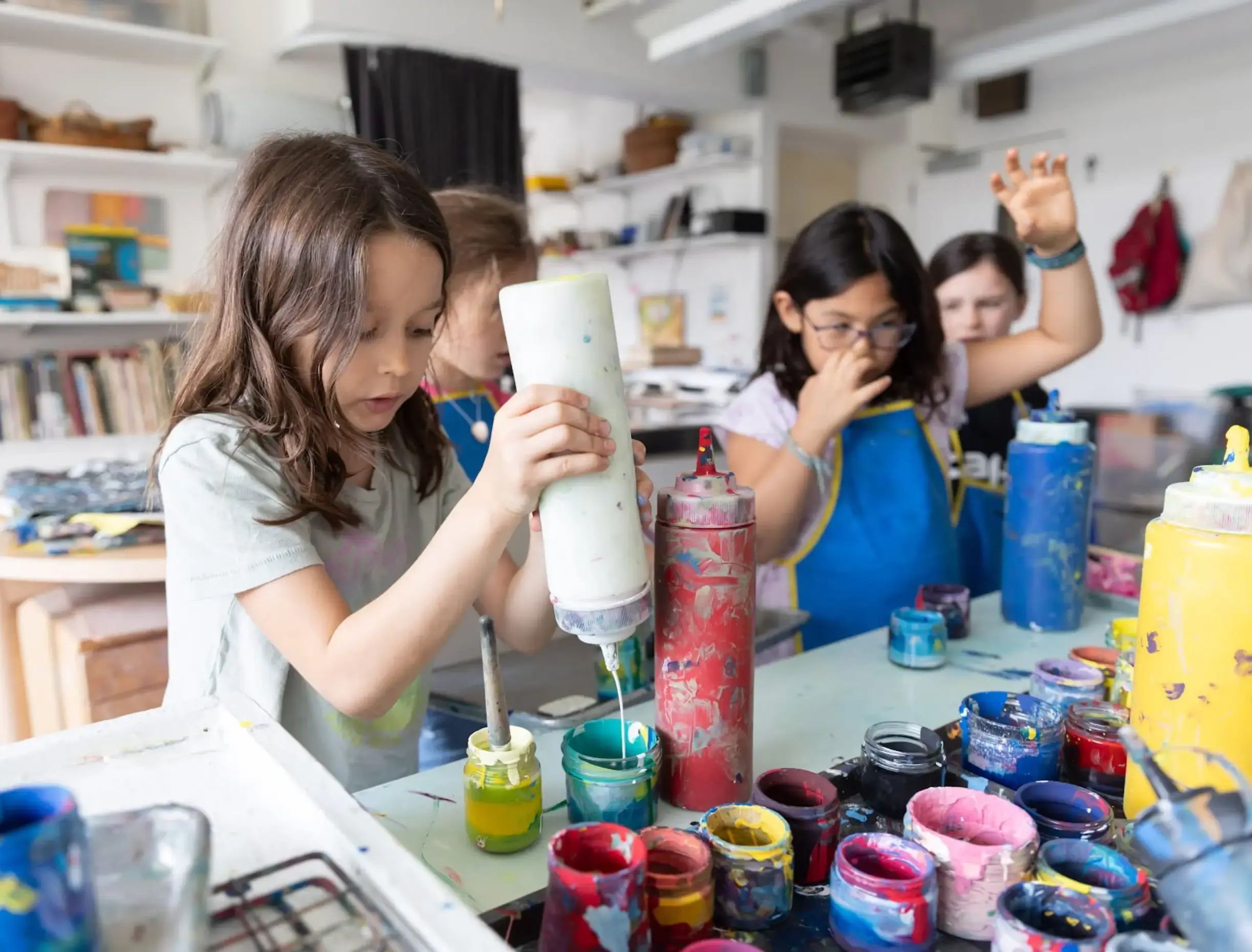
Art, and creative expression, are an essential component of the C&C experience. Basic art materials are available to IIs - IVs every day. We use only the primary colors of paint (red, yellow, and blue) so children learn to mix secondary and tertiary colors and in the process develop a foundational understanding of the relationships among colors. Similarly, we use real clay (not playdough) as this material is natural, of the earth, with a neutral color that requires children to apply meaning as they roll, pinch, and shape pieces, often engaging in dramatic play. It also has significant tooth, and requires children to exercise the small muscles in their hands, strengthening their all-important fine-motor skills for later handwriting and exacting coordination.
Wood Shop
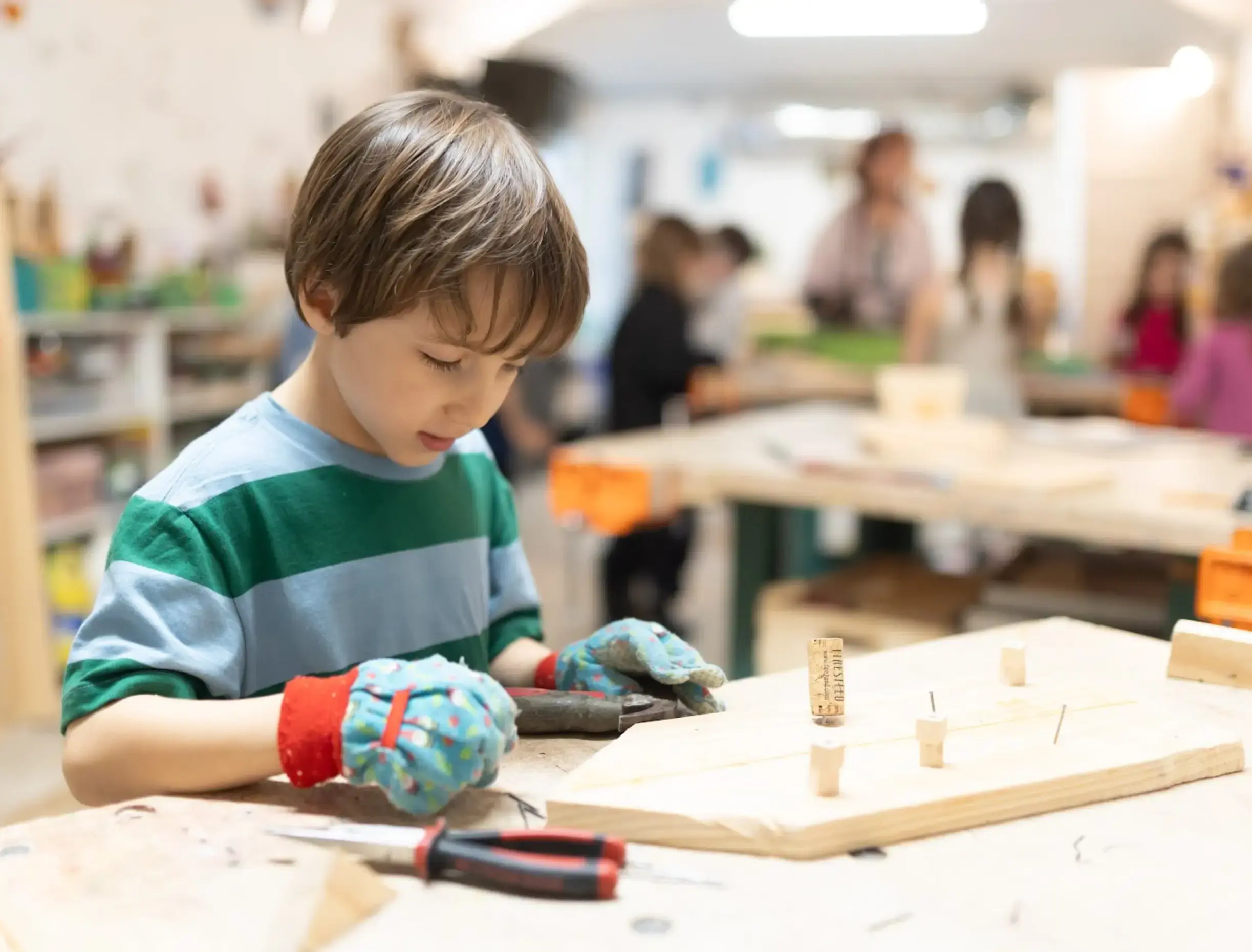
Introduced in the IVs, Woodworking requires layers of planning, coordination, engineering, and skill. The IVs classrooms are equipped with a woodworking bench and real tools. The Shop teacher visits the IVs classrooms to teach basic skills and safety. In the Vs and beyond, students visit the Shop itself with its vast collection of tools and opportunities. With the work they do as IVs serving as a foundation, older children create a variety of woodworking pieces, often related to their block buildings, school jobs, or other academic interests. IVs students can independently use the Western saw, metal files, sandpaper, and hammer, along with nails and other hardware.
Math
Early math concepts emerge through hands-on play and daily routines: counting during attendance-taking, sorting natural materials, estimating during pick-up, and exploring patterns. Daily work with unit blocks is especially impactful as repeated use fosters deep conceptual understanding of number sense, fractions, multiples, geometry, and much more. These concrete experiences lay the groundwork for number sense, spatial reasoning, and problem solving.
Specific skills covered at these ages include counting up to 10, sorting, classifying, and comparing objects, recognizing numbers and quantities, exploring shapes and patterns, understanding non-standard measurement, developing a wide range of math vocabulary such as “more,” “less,” “longest,” and “shortest,” and internalizing one-to-one correspondence.
Literacy
Language and literacy are developed through storytelling, read-alouds, songs, dramatic play, and environmental print. Children build vocabulary, narrative skills, and phonological awareness in authentic, playful contexts that reflect classroom routines and their individual and collective interests. Every classroom in the IIs, IIIs, and IVs has an extensive classroom library with books curated for each developmental stage and from a wide variety of genres. Visits to the C&C Library are a highlight as the young ones begin their years-long relationships with our three Librarians as well as older children as they travel through campus.
In particular, work with our open-ended, basic materials sparks important language and literacy development at this age. Using abstract materials requires children to create their own narratives, express their creative ideas through circles of novel, spontaneous communication, and think symbolically. They hone their expressive and receptive language skills, growing their vocabulary at a rapid speed, creating a foundation that will serve them well as their work and relationships become increasingly expansive and complex.
Skills are enhanced in a variety of intentional ways such as dictating stories, writing letters to other Groups, following the daily schedule and other classroom print, practicing letter recognition and letter/sound correspondence, learning to write their own name and recognize names of peers, and beginning rhyming through songs, poetry, and games.
Social-Emotional Learning
Social-emotional learning is at the heart of the C&C experience. Teachers model and facilitate collaboration, empathy, and communication, helping children navigate feelings, friendships, and group dynamics. Through daily routines and open-ended play, students learn to express emotions, resolve conflicts, and build confidence as members of a community.
Student Support
The Lower School Student Support Team at C&C is designed to support children, teachers, and families. Composed of full-time Learning Specialists, Reading Specialists, the School Psychologist, School Nurse, and Division Directors, this group gets to know each student incredibly well and ensures that they are being supported and challenged effectively. At every turn, C&C fosters open communication and this group is no exception. We believe in addressing specific challenges early through observation, support within and outside of classrooms when appropriate, and consistent collaboration. Our goal is to understand and meet each child where they are, recognize their strengths and vulnerabilities, and support them to be their best selves both independently and as part of a group.
Music
Music cultivates rhythm, harmony, and collaboration through shared experience. Students explore songs from around the world with increasingly complex rhythms, rhyming lyrics, and coordinated movement. Under the guidance of their classroom teachers, children sing every day in their Group song circles, with regular visits from a Music Specialist. For children this age, singing is used as a tool during transitions throughout the day, as it provides structure, focus, and joy.
Movement
Children go outside every day, rain or shine, to play, build, and explore in our ample outdoor spaces. The IIs have their very own yard; IIIs and IVs share a sun-filled rooftop play space. Outside, they work with another of Pratt’s inventions, outdoor wooden blocks, to create their own playground on a daily basis. Constructing such things as airplanes, concert stages, animal dens, and more, children exercise their minds and bodies while developing creativity, collaboration, and physical skills.
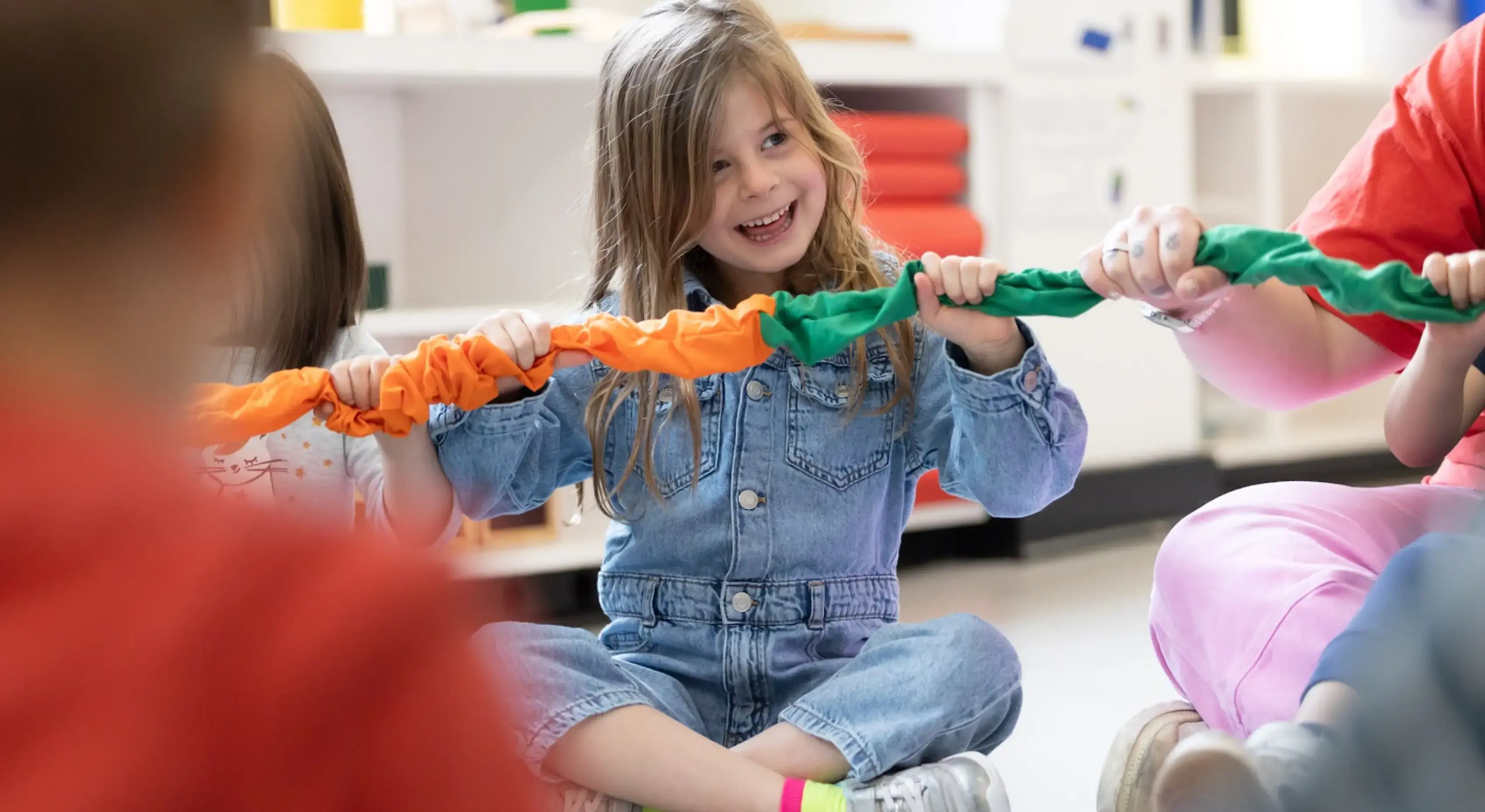
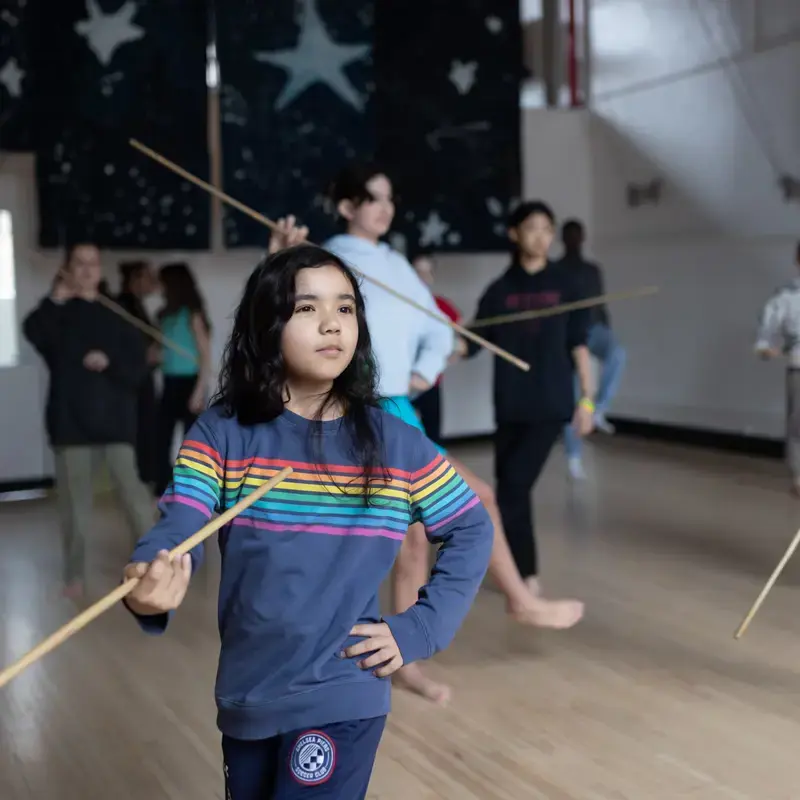
Rhythms is C&C’s unique movement program. A combination of physical skills, rhythmic movement, and dramatics, Rhythms takes place in a high-ceilinged studio with live piano accompaniment. Children use a variety of materials such as balls, hoops, and scarves to interpret music and engage their bodies. They also solidify their classroom learning by dramatizing their areas of study in Rhythms class; for example, as the IVs learn about the lifecycle of painted lady butterflies, they “become” caterpillars and larvae, deepening their understanding of the metamorphosis process, all set to appropriate music. The Rhythms program supports gross motor control, coordination, spatial awareness, and attention by engaging the cerebellum and activating the brain’s reward system. Through movement and rhythm, students develop focus and enhance their sense of joy in learning. This program begins in the IIIs and continues through the XIIIs.
Art
Art, and creative expression, are an essential component of the C&C experience. Basic art materials are available to IIs - IVs every day. We use only the primary colors of paint (red, yellow, and blue) so children learn to mix secondary and tertiary colors and in the process develop a foundational understanding of the relationships among colors. Similarly, we use real clay (not playdough) as this material is natural, of the earth, with a neutral color that requires children to apply meaning as they roll, pinch, and shape pieces, often engaging in dramatic play. It also has significant tooth, and requires children to exercise the small muscles in their hands, strengthening their all-important fine-motor skills for later handwriting and exacting coordination.
The paper table in the IVs is a source of inspiration as children draw, write, and construct novel creations from open-ended materials, and learn to use scissors, glue, and tape. As well, collage begins at this age as children explore shapes, textures, and composition.
Wood Shop
Introduced in the IVs, Woodworking requires layers of planning, coordination, engineering, and skill. The IVs classrooms are equipped with a woodworking bench and real tools. The Shop teacher visits the IVs classrooms to teach basic skills and safety. In the Vs and beyond, students visit the Shop itself with its vast collection of tools and opportunities. With the work they do as IVs serving as a foundation, older children create a variety of woodworking pieces, often related to their block buildings, school jobs, or other academic interests. IVs students can independently use the Western saw, metal files, sandpaper, and hammer, along with nails and other hardware.